
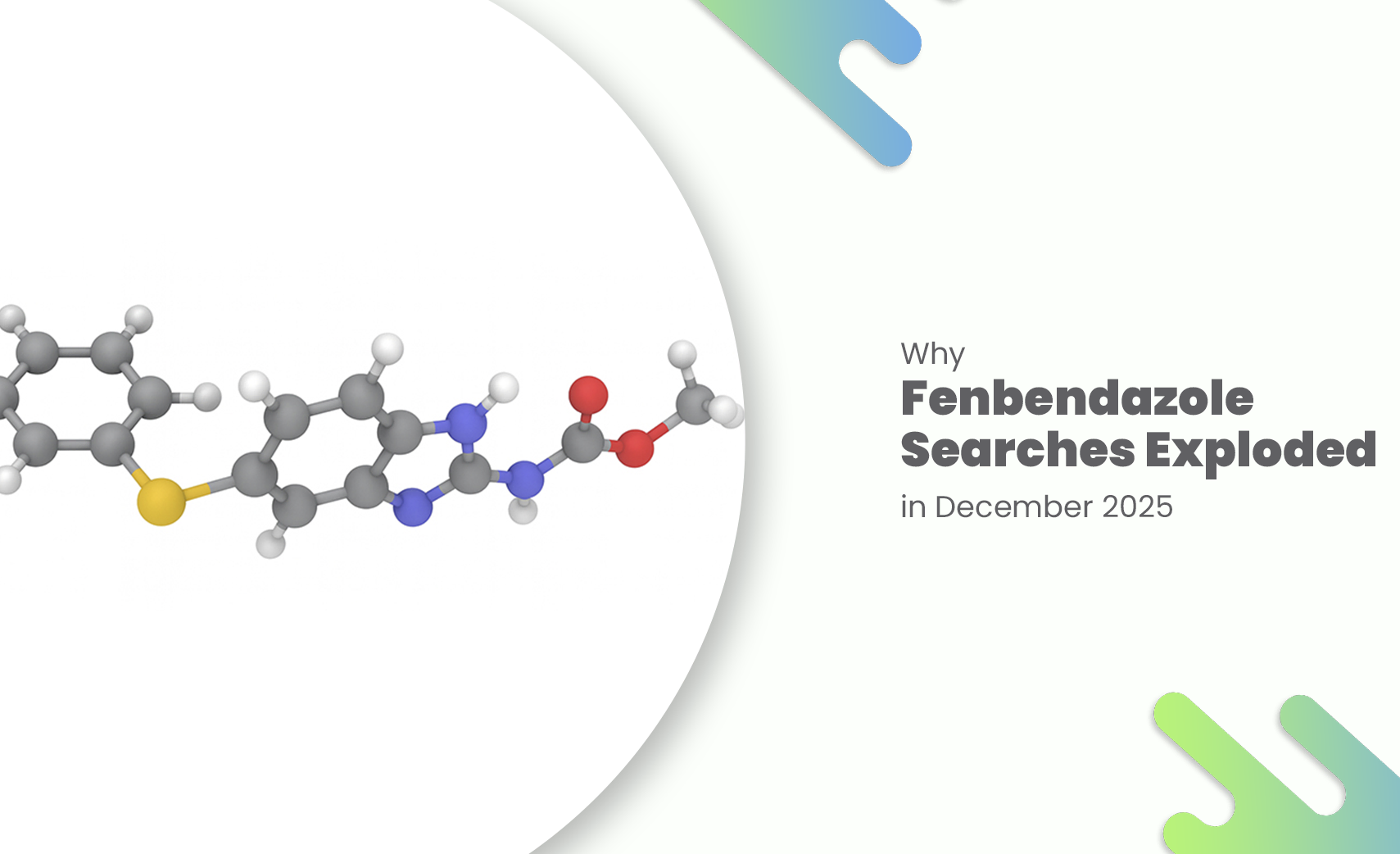
If you felt like everyone suddenly started talking about fenbendazole again in December 2025… Well, you’re not imagining it. The surge was loud, messy, emotional and honestly kind of fascinating from a health journalist’s perspective. Even my inbox, usually filled with routine wellness newsletters, turned into a mini-storm of frantic messages asking whether this “dog dewormer breakthrough” was resurfacing for a reason.
Let’s be real: health trends don’t just explode out of nowhere. They simmer in the background until something: a video, a rumor, a misunderstood study throws gasoline on the fire. Fenbendazole had already been floating around alternative health circles for years, but the way it blew up this December felt different. It wasn’t just resurfacing. It was mutating.
And interestingly, as fenbendazole went viral again, completely unrelated antiparasitics like Ivertac 6mg were dragged into the spotlight too. The internet loves lumping things together, whether they belong there or not.
You might be wondering why December, of all months, triggered this sudden obsession. The truth isn’t neat. It’s a mix of science, half-science, emotion, algorithm glitches, holiday anxiety, and a cultural shift in how people treat illness online.
A Viral Survivor Story Found New Life
If you’ve dipped into parasite forums (or even accidentally landed in those weird health corners of TikTok), you already know the Joe Tippens story. His claim that fenbendazole helped his cancer remission has circulated like folklore. But in early December 2025, a popular creator stitched an old Tippens clip with dramatic music, emotional commentary, and one of those intense, slow zooms TikTok loves.
Within hours, the algorithm did its usual chaotic magic.
Shares skyrocketed.
Comments flooded.
People googled “fenbendazole protocol” like their lives depended on it.
Some even wandered into threads comparing fenbendazole to everyday worm treatments, which isn’t surprising considering how many readers were already consuming content about scabies medications, pinworm itching at night, or whether cream works better than oral ivermectin. It’s wild how deeply people dive into parasite content once something triggers their anxiety.
Fenbendazole may have been the main character, but Ivertac 6mg kept appearing around the edges mostly because anything anti-parasitic gets swept up when alternative health goes viral.

Then came a New Study… Sort Of
A European research group uploaded a preprint (keyword: preprint) hinting that fenbendazole could impact tumor cell lines. Not cure cancer. Not replace chemotherapy. Just lab-based cytotoxic effects.
But preprints are like broken telephones. They get misread, reshared, stripped of context, and reinterpreted based on emotion rather than evidence.
Before long, creators started presenting snippets from the abstract as if they had uncovered a suppressed cure. One person even compared the compound’s action to the medications people normally use for common worm infections – probably because they’d recently read pieces about roundworms vs threadworms or pinworm outbreaks in kids.
Sounds weird, right? But in the online health world, everything bleeds into everything.
People don’t just look for one explanation – they search for patterns. That’s how a study about cell lines suddenly gets mentioned alongside everyday antiparasitic guides like how often adults should deworm or which anti-worm medications work best. The boundaries dissolve fast.
Holiday December Anxiety Kicked In
Here’s the thing: December has always been a peak month for panic searches.
People travel, eat heavy foods, sleep irregularly, freak out about mystery stomach pain, and start googling parasite symptoms at 3 a.m. I’ve seen this every year. Articles about itching without a rash, worms causing abdominal pain, street food contamination, or traveler’s diarrhea turning into parasites suddenly get thousands of hits.
It’s not as simple as you think. All these concerns mesh together into a giant stew of health paranoia that primes people to believe in quick miracle fixes.
Fenbendazole didn’t trend because people understood it. It trended because people were already in the headspace to believe anything might be causing their discomfort – from Demodex mites on their face to scabies exposure at the gym to parasites living in their makeup brushes. And once that door opens, everything feels connected.
Even medications like Ivertac 6mg saw a random spike, simply because users were searching for anything vaguely related to their symptoms.
A Celebrity Accidentally Added Fuel
Somewhere in the chaos, a Hollywood actor casually mentioned on a podcast that they “heard someone beat cancer with that dog medicine.”
No context. No details. Just a throwaway line.
But celebrity comments don’t land as whispers – they land as earthquakes.
You already know what happened next.
Online Communities Amplified Each Other’s Panic
Reddit threads. Facebook groups. Wellness influencers. TikTok healers. Biohacker forums. All of them started cross-pollinating.
A thread about tapeworms in dogs started linking to threads about worms traveling from gut to lungs.
A conversation about scabies cream drifted into comments about fenbendazole vs ivermectin.
Someone reading about natural antiparasitic foods ended up watching a video about “cancer-fighting compounds in dewormers.”
I even saw a Reddit user confidently claim Ivertac 6mg was “part of the fenbendazole cancer protocol”- which tells you how easily misinformation stitches itself together. At one point, discussions about spicy foods killing parasites and can you get infected from swimming pools were somehow sitting under the same post as fenbendazole cancer commentary.
Interestingly, threads about stomach issues after holiday travel linked directly to fenbendazole posts, as if diarrhea from undercooked seafood could magically explain tumor cell biology. It sounds absurd, but this is literally how misinformation evolves online – messy, tangled, and strangely believable when you’re scared.
Pandemic-Era Mistrust Still Shapes Behavior
To be honest, even now – years after the pandemic – people still carry deep distrust toward medical institutions. Many feel doctors dismissed or minimized symptoms that later turned into real diagnoses. Others resent how fast public health messaging shifted during COVID.
So when they see a cheap drug like fenbendazole being discussed as a “hidden cure,” it fits into an existing narrative:
“If they didn’t tell us the whole truth before, why would they now?”
That’s also why topics like whether antibiotics can help allergies, why recurring UTIs happen, or why some skin infections keep coming back every winter get so much traction. People feel unsupported, so they search harder for alternative answers.
And naturally, this mindset spills over into antiparasitic discussions – especially when drugs like Ivertac 6mg already went through their own cycles of controversy.
People Love the Idea of Simple Hidden Cures
There’s something irresistibly appealing about the idea that a $10 dewormer might outperform a $100,000 cancer therapy.
It taps into:
Hope
Frustration
Rebellion
And a sense that “the system failed us”
I’ve received emails from people convinced their symptoms – fatigue, brain fog, redness, stomach pain – must be from parasites, after binge-reading articles like how parasites mimic other illnesses or whether worms can cause cognitive issues. Once a person convinces themselves of a narrative, they’ll find anything – even unrelated topics like lice treatments or rosacea – to reinforce it.
Suddenly, fenbendazole feels like destiny.
But Here’s the Part Nobody Likes Hearing
The science still doesn’t support self-medicating with veterinary drugs.
Fenbendazole isn’t formulated for humans. Toxicity data is limited. Long-term effects aren’t well understood. The doses in animal formulations don’t translate safely to people.
We’ve already seen what happens when people misuse ivermectin – articles detailing liver damage, overdose symptoms, and comparisons between human and animal formulations exist for a reason. Even Ivertac 6mg, when misused outside prescribed conditions, carries risks.
And when you combine that with things like antibiotic misuse (hello, resistance!), DIY scabies treatments gone wrong, or people trying “parasite detox diets,” it becomes a real public health problem.
So Why December 2025? The Real Answer Is Layered
It wasn’t one trigger – it was dozens:
A recycled survivor story
A misunderstood preprint
A celebrity slip
Holiday anxiety
Algorithmic chaos
Misinformation from parasite discussions
Old ivermectin debates resurfacing
People reading about how parasites spread through gym equipment, street food, or travel
All of this created the perfect storm.
The surge wasn’t about fenbendazole alone. It was about culture, fear, exhaustion, Google spirals, and the human tendency to connect dots that were never meant to be connected.
A Final Reflection
As someone who covers health trends, I’ve seen bizarre waves – from charcoal cleanses to DIY antibiotic protocols to the belief that parasites hide inside tattoos. But the fenbendazole surge hits differently because the stakes are so high.
People searching for fenbendazole aren’t trying to optimize wellness – they’re trying to survive.
And when desperation meets misinformation, even unrelated topics – head lice remedies, respiratory infection guides, UTI articles – get tangled into the same web of “maybe this is connected.”
I genuinely hope people stay curious – but grounded. Skeptical – but safe. Open-minded – but not reckless.
Fenbendazole is interesting science.
But it’s not yet safe self-treatment.
And medications like Ivertac 6mg should stay in the lane they were approved for.
FAQs
1. Why did fenbendazole suddenly go viral again in late 2025?
The December spike wasn’t caused by just one thing – it was a collision of a resurfaced survivor story, a misunderstood preprint study, a celebrity mention, and holiday-season health anxiety. People were already deep into parasite-related searches (itchy skin, stomach issues after travel, scabies scares, you name it), so fenbendazole got swept into the storm. It felt like the internet collectively decided to revisit an old theory with fresh panic.
2. Is there real scientific proof that fenbendazole treats cancer in humans?
Short answer: not yet. Long answer: lab studies show interesting effects on cancer cells, but that doesn’t mean the drug is safe or effective for humans. Veterinary medications aren’t tested the same way human cancer treatments are, and self-dosing is risky. The online hype often oversimplifies complex biology – and skips over the part where human trials are still missing.
3. Why were people also searching for other antiparasitics like Ivertac 6mg during the trend?
When one antiparasitic trends, the internet tends to drag all of them into the conversation – especially medications that previously went viral during the pandemic. People mix up scabies treatments, worm meds, lice remedies, and even travel-related parasite issues as if they’re all part of the same family. It’s messy, but that’s how online health discussions usually unfold.
4. Can holiday symptoms like stomach pain or rashes really make people think they have parasites?
Absolutely. December is peak season for “Dr. Google panic.” After heavy meals, long flights, new foods, hotel bedding, or even a simple winter rash, people start reading articles about parasites, worms, skin mites, and infections that mimic other illnesses. One late-night search leads to another, and before long, fenbendazole ends up on their radar – even if their symptoms have nothing to do with parasites at all.
5. Is it safe to experiment with fenbendazole or other veterinary medications on your own?
It’s tempting to try something “cheap and promising,” especially when you’re scared or frustrated. But veterinary drugs are not designed for human bodies, and taking them without supervision can cause toxicity, liver problems, allergic reactions, or interactions with other meds. Even human-approved antiparasitics like Ivertac 6mg become dangerous when used incorrectly. Always talk to a doctor before considering anything off-label or unconventional.
References
- https://doi.org/10.1016/j.ejmech.2024.116425
- https://doi.org/10.3389/fonc.2022.942045
- https://www.fda.gov/animal-veterinary/resources-you/fda-regulation-animal-drugs