
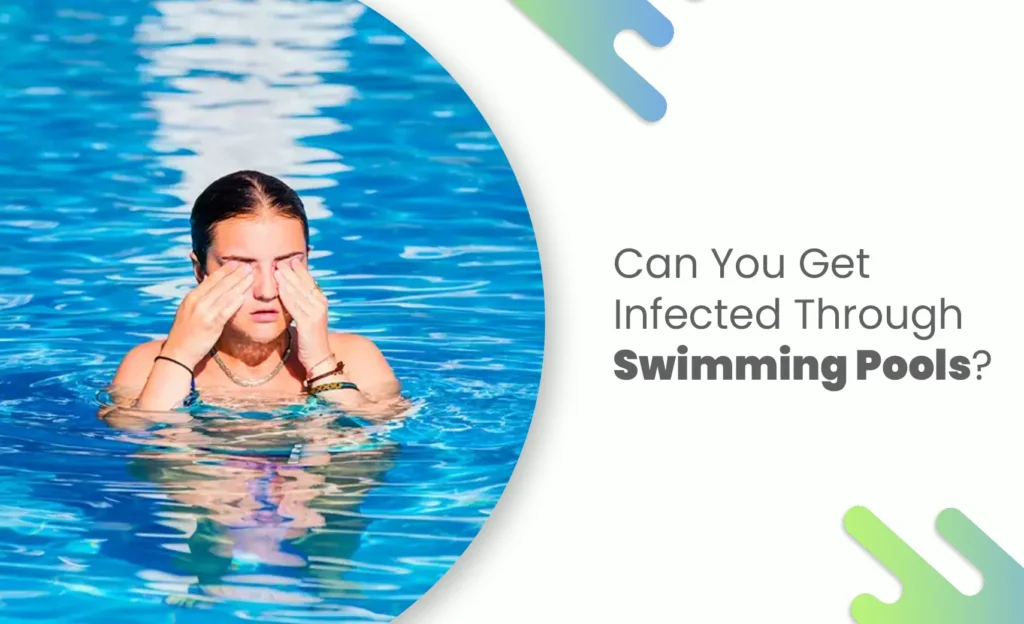
You know that unmistakable smell of chlorine when you walk into a public pool? It hits you before your toes even touch the water. That sharp, chemical tang that screams “clean” or at least, that’s what we like to believe. But here’s a question that makes many of us pause mid-splash: can you actually get infected through swimming pools?
Let’s be real, few things feel as refreshing as diving into a pool on a hot summer day. The blue shimmer, the feeling of weightlessness, that childhood nostalgia of pool noodles and goggles that always leak a little. But behind all that fun, there’s a strange undercurrent (pun intended) of bacteria, viruses, and chemicals we don’t really think about.
I started digging into this question after a close friend of mine got what her doctor called “swimmer’s ear”, an ear infection caused by bacteria from a local gym pool. She was shocked. “I thought chlorine kills everything!” she told me. And honestly, I thought so too. Turns out, it’s not that simple.
Here’s the thing, while chlorine does kill a lot of germs, it doesn’t do it instantly, and it doesn’t kill everything. Some nasty microbes can survive long enough to cause infection, especially if pool maintenance slips up or swimmers don’t follow basic hygiene rules.
And that’s where things get interesting (and a little gross).

So, what kind of infections are we talking about?
Alright, so the list isn’t endless, but it’s long enough to make you think twice before swallowing pool water. The most common culprits include bacterial, viral, and fungal infections.
Bacterial infections are probably the most common offenders in pool settings. These can include ear infections (like the one my friend had), eye infections such as conjunctivitis, and sometimes even skin infections.
When bacteria like Pseudomonas aeruginosa or E. coli get the upper hand, that’s when trouble starts brewing.
And in some cases, when people develop more serious bacterial infections, antibiotics like Augmine 625mg might come into play. This medication, which contains amoxicillin and clavulanic acid, is often prescribed for bacterial infections caused by exposure to contaminated environments, including water sources that weren’t as clean as they appeared.
Viral infections, on the other hand, can spread when swimmers carry viruses like norovirus or adenovirus into the pool. These can cause stomach bugs or sore throats. Some viruses are tough little things that can resist chlorination for surprising amounts of time.
Fungal infections usually show up as athlete’s foot or toenail fungus, often from wet poolside areas rather than the pool itself. Shared showers and locker rooms are basically fungus playgrounds if not cleaned well.
To be honest, this isn’t meant to freak you out. Most public pools are safe, as long as they’re properly maintained and chlorinated. But “properly” is the key word there.
The chlorine myth – and why it’s not bulletproof
You might be wondering, “But if pools are full of chlorine, why do infections still happen?”
Chlorine is powerful, but it’s not magic. It takes time to work. For example, it can kill E. coli within a minute, but something like Cryptosporidium (a parasite) can survive for over a week in properly chlorinated water. Yeah, a week.
And here’s another fun fact: that strong chlorine smell isn’t a sign of cleanliness. It’s actually the result of chlorine reacting with organic matter like sweat, urine, or body oils. So, that “clean” smell is really the scent of chloramines, a byproduct of chlorine fighting off all the stuff people bring into the water.
Sounds weird, right? The more people swim (and pee, let’s be honest), the stronger that smell becomes.
When chlorine levels drop or pH levels aren’t balanced, bacteria can thrive. That’s when infections become more likely and that’s when someone ends up needing Augmine 625mg or other antibiotic treatment after what was supposed to be a relaxing swim.
Real-life scenario: when fun meets infection
I remember visiting a small resort in Goa a few years back. It had one of those infinity pools overlooking the sea, absolutely dreamy. But halfway through the trip, a few guests started complaining about itchy rashes and red eyes. Turned out, the pool’s filtration system had malfunctioned for two days.
Even in that short window, bacteria and fungi found their way in. It’s like they had a party while everyone was sipping mocktails by the pool.
In cases like these, doctors often recommend antibiotics like Augmine 625mg to fight off skin and ear infections. The drug’s combination of amoxicillin and clavulanic acid makes it particularly effective against resistant bacteria that might lurk in warm, moist places (like pools and jacuzzis).
That said, antibiotics should only be used when prescribed by a healthcare professional not just because you got a little itch after swimming. Self-medicating can do more harm than good.
The pool vs. your immune system
Here’s the thing, not everyone who swims in a slightly contaminated pool gets sick. Your immune system plays a big role in how you respond.
People with weaker immunity like kids, elderly individuals, or those with chronic health conditions are more susceptible to pool-borne infections. The same goes for people with open cuts or wounds. Even a small scrape can act as a gateway for bacteria.
It’s not about avoiding swimming altogether, but rather being a bit smart about it. For instance, showering before and after swimming (yes, both times!) reduces the amount of organic material in the pool. That’s not just politeness, it’s basic public health.
And of course, if you notice cloudy water, strong chlorine odor, or slimy pool walls, it’s probably not the best idea to jump in. Sometimes trusting your senses can save you a week of antibiotics like Augmine 625mg later.
What about hot tubs and jacuzzis?
Ah yes the luxurious cousin of the swimming pool. Unfortunately, hot tubs are even more prone to bacterial growth because warm water is basically an incubator for microbes.
One of the most infamous bacteria associated with hot tubs is Legionella pneumophila, which causes Legionnaires’ disease, a type of pneumonia. It thrives in poorly maintained water systems, especially those with inadequate chlorination.
People infected with Legionella often need medical treatment and, again, antibiotics such as Augmine 625mg may be prescribed as part of their recovery plan, depending on the doctor’s assessment.
So, while hot tubs can feel like heaven, they can also become mini biohazards if not regularly cleaned.
You might be wondering – can chlorine cause problems on its own?
Interestingly, yes. While chlorine keeps us safe from microbes, it can also irritate the skin, eyes, and respiratory tract. Some people experience redness, rashes, or coughing after spending too long in chlorinated water.
Children and people with asthma are especially sensitive to chloramines, those same chemical byproducts that make your eyes sting.
It’s a delicate balance: too little chlorine, and you risk infection; too much, and you irritate the body. Maintaining that middle ground is the responsibility of pool operators, and honestly, not all do it perfectly.
That’s why knowing the signs of trouble (like cloudy water or that overpowering smell) can help you avoid unnecessary health risks, and avoid that post-swim doctor visit with a prescription of Augmine 625mg in hand.
How to protect yourself (without giving up swimming)
Now, don’t panic and cancel your next pool day. Swimming is still one of the healthiest, most therapeutic activities you can do. It’s great for the heart, joints, and even mental health.
But there are small habits that can make a big difference:
- Shower before and after swimming.
- Avoid swallowing pool water seriously, don’t.
- Skip the pool if you have open cuts, ear infections, or recent illnesses.
- Keep kids out if they’ve had diarrhea recently (that’s how Cryptosporidium spreads).
- And maybe, just maybe, don’t trust every pool that looks pretty on Instagram.
Simple, right? But they go a long way.
To be honest, it’s about awareness, not fear
The more I looked into this, the more I realized how many infections are preventable with just basic hygiene and regular maintenance. Pools aren’t inherently dangerous, they just need respect.
It’s easy to assume that clear blue water means safety, but microbes are sneaky. A pool can look perfect and still harbor invisible risks. On the flip side, a well-maintained pool with proper chlorine levels is completely safe for daily use.
So, while yes, you can get infected through swimming pools, it’s rare when things are managed properly. And when infections do happen, treatments like Augmine 625mg are there to help, provided you get proper medical advice first.
At the end of the day, swimming isn’t the enemy’s neglect.
Final thought
Next time you take a dip, take a second to think about what’s in that water. Not to scare yourself, but to appreciate the delicate chemistry that keeps us all safe.
I still swim regularly, even after learning all this. But I do it with open eyes (and closed mouth). Because knowledge doesn’t have to ruin the fun, it just helps you enjoy it smarter.
And if you ever find yourself dealing with a pool-related infection, don’t ignore it or self-treat. See a doctor, get tested, and if necessary, medications like Augmine 625mg can help clear the infection efficiently and safely.
The pool is a wonderful place for play, peace, and even healing. Just make sure it’s a clean one.
FAQs
- Can chlorine kill all germs in the pool?
Not quite. Chlorine is powerful, but it’s not instant. It can wipe out most common bacteria like E. coli in less than a minute, but some parasites such as Cryptosporidium can hang around for over a week even in well-chlorinated water. That’s why pool hygiene and regular maintenance matter just as much as the chlorine levels. - What are the most common infections from swimming pools?
Usually, people experience minor issues like swimmer’s ear, eye irritation, or skin rashes. Occasionally, bacterial infections may develop, especially in warm or poorly maintained pools. When that happens, doctors might prescribe antibiotics such as Augmine 625mg to treat the infection effectively. - Can you catch infections just by touching pool water?
Generally, no. Your skin acts as a strong barrier against most germs. But if you have cuts, scrapes, or weakened immunity, that’s when bacteria can slip in and cause trouble. To be safe, cover wounds with waterproof bandages before swimming and avoid pools that look or smell off. - Are hot tubs riskier than regular pools?
Yep, they can be. Warm water is basically a paradise for bacteria like Legionella, which causes Legionnaires’ disease. Hot tubs need even stricter maintenance schedules than swimming pools. And if you ever get flu-like symptoms after using one, it’s smart to see a doctor, you might need treatment such as Augmine 625mg or another prescribed antibiotic. - How can I tell if a pool isn’t safe to swim in?
Cloudy or murky water is the biggest red flag. A strong chemical odor (that “chlorine smell”) can actually mean poor maintenance. Slimy tiles, eye irritation, or a sticky feeling on your skin afterward are also clues something’s off. Trust your gut, if the water doesn’t look or feel right, skip the swim that day.