
If you’ve ever woken up feeling a little too aware of your own stomach or noticed your kid scratching their bottom one time too many you’ve probably asked yourself what’s happening inside your body that you can’t see. Parasites tend to fall into that “let’s not talk about it” category… until they suddenly demand attention.
Two of the most common intestinal invaders yet wildly misunderstood are tapeworms and pinworms. Different creatures, totally different behavior, and honestly, totally different vibes.
Let’s be real… nobody expects to think about worms on a random Tuesday, but here we are.
You might be wondering: how do I know which one I might be dealing with?
To be honest, it’s not as simple as you think. These worms show symptoms differently, spread differently, and cause unique chaos in the human gut.

As someone who has spent way too much time reading medical journals, interviewing infectious disease doctors, even talking to parents surviving pinworm outbreaks, I can tell you every story is different.
And interestingly, that’s what makes understanding them so important.
So… what exactly are we dealing with?
Here’s the thing: tapeworms and pinworms are both intestinal parasites, but they’re practically from different worlds.
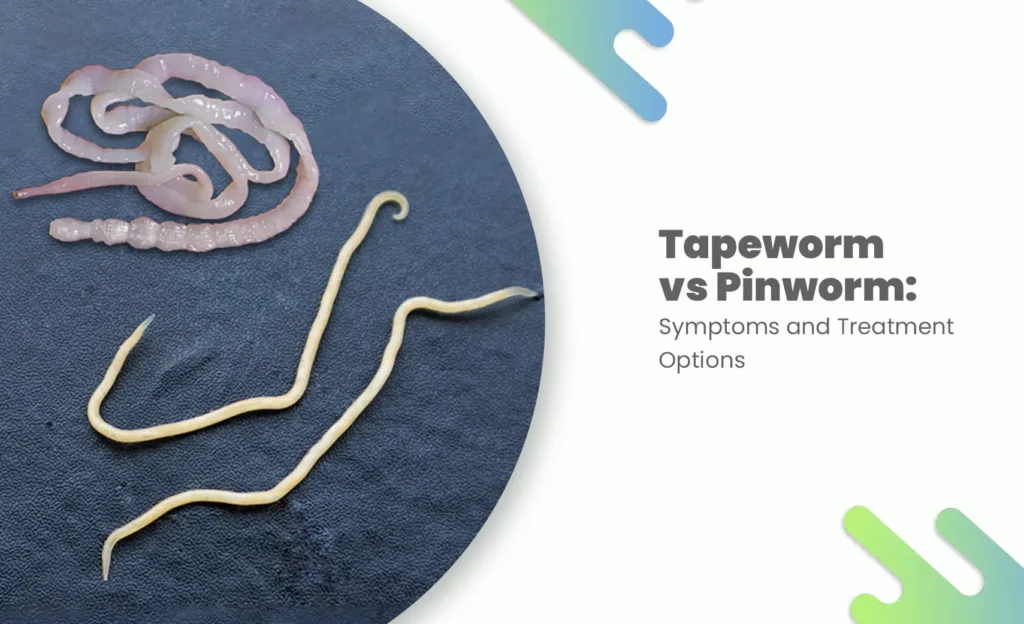
Tapeworms are long, flat ribbon-like worms that can grow shockingly long. They usually come from contaminated meat or fish. Think of them as the quiet, introverted squatters of the parasite universe.
Pinworms, on the other hand, are tiny, thread-sized worms mostly affecting kids. They’re social, fast-spreading, and very, very annoying.
If you’ve ever read about how worm infections spread quietly in the body, pinworms are the most relatable example.
Sounds weird, right? But they’re designed for chaos.
Spotting the symptoms: Two infections, two personalities
Before we talk about treatments like Iverheal 6mg, the symptoms reveal a lot. And yes, sometimes they even mimic other illnesses just like many conditions in how parasites can trick you into thinking it’s something else.
Tapeworm symptoms: quiet & sneaky
Tapeworms love subtlety.
Many people only realize something’s off when they notice small rice-like pieces in their stool segments of the worm breaking off.
But other times, tapeworms cause:
- unexplained weight loss
- nausea
- abdominal discomfort
- appetite changes
- nutrient deficiencies
It’s subtle enough that people often blame stress, food intolerances, or digestive issues. I once interviewed a chef who discovered he had a tapeworm after months of thinking he had a “travel stomach.” Classic example of how intestinal worms affect everyday health.
Pinworm symptoms: loud, obvious & nocturnal
Pinworms are a drama.
Their signature symptom? Night-time anal itching.
Kids feel it the most, but adults absolutely aren’t immune. Anyone sharing a home with an infected child is automatically part of the risk zone.
Symptoms may include:
- intense nighttime itching
- disrupted sleep
- irritability
- mild stomach discomfort
- visible tiny white worms
This is the kind of thing many parents read about in guides like what parents should know about pinworm symptoms in kids usually after a school outbreak hits home.
How do people actually get them?
Tapeworms usually enter the body through undercooked meat, unsafe water, or contaminated fish. Think of them as food-chain hitchhikers.
Pinworms spread through microscopic eggs on surfaces, toys, hands, bedding, literally anywhere.
If you’ve ever wondered why some people catch infections more easily than others, environments like classrooms and shared spaces are prime examples.
That said, neither infection is linked to “being unclean.” Parasitic infections impact people of all backgrounds, something public health experts often highlight in discussions about why some people get sick more often.
Diagnosing tapeworms vs pinworms
Tapeworm diagnosis usually requires stool testing, often multiple samples because egg shedding is inconsistent.
Pinworms are easier to detect. Doctors often recommend a simple tape test to press clear tape on the skin around the anus first thing in the morning. It helps identify eggs before they fall off.
Interestingly, many parents spot pinworms visually before a doctor does. They come across it during late-night checks or research rabbit holes like how to tell itchy skin apart from other conditions.
Treatment options: From medication to prevention
This is where things get real.
Treating tapeworms
Tapeworm infections are typically treated with antiparasitic medications. The type depends on the species. Doctors may prescribe praziquantel or albendazole, followed by stool tests to confirm the worm’s eviction.
Digestive discomfort and nutrient loss may need additional treatment especially if the infection persisted for a long time.
Treating pinworms
Pinworms are easier to treat but harder to eliminate from an entire household.
Doctors often use medications like mebendazole, albendazole, and sometimes ivermectin-based treatments where Iverheal 6mg may be considered in specific cases.
Pinworm treatment is often mentioned in educational pieces like how threadworm infections spread in homes and schools.
But here’s the catch: everyone in the family usually needs treatment, even if they have no symptoms. That’s how contagious pinworms are.
And prevention? Whew.
Think daily laundry, constant handwashing, disinfecting surfaces exactly the kind of thing people read about under hygiene habits that accidentally spread infections.
Lifestyle measures matter more than you’d expect
This is the part most people underestimate.
Pinworm prevention
- wash bedding daily
- keep nails short
- morning showers
- handwashing like a religion
- disinfect surfaces kids touch
It’s exhausting, but pinworms are persistent. Parents often say it feels like dealing with glitter everywhere.
Tapeworm prevention
Tapeworms don’t spread person to person, so prevention mainly revolves around:
- cooking meats thoroughly
- avoiding unsafe water
- freezing fish properly
- practicing food hygiene
This ties closely to guides discussing essential tips to prevent worms from contaminated food and why street food sometimes increases risk while traveling.
Where does Iverheal 6mg fit in?
Here’s the thing: medications like Iverheal 6mg play a role in treating certain parasitic infections, but not all. Doctors consider factors such as parasite type, patient weight, symptoms, and coexisting infections.
It may be used:
- when standard pinworm medications fail
- in mixed parasitic infections
- when specific parasite species respond better to ivermectin
Still, you should never self-medicate with Iverheal 6mg.
It’s powerful. It’s effective. But it must be dosed correctly.
Many people don’t realize this until they read warnings in articles like why self-treating parasites can backfire.
Interestingly, some infections require combination therapy something public health sources frequently mention when discussing how antiparasitic medications actually work inside the body.
Two real-life examples (because parasites don’t care who you are)
A mother from Ohio once told me about her “pinworm saga.” Her three kids brought home an infection from school. Suddenly the whole house was in chaos, laundry mountains, disinfecting toys, everyone sleeping badly.
She joked that she felt like a “full-time laundry intern.”
Her story reminded me of pieces written about how infections quietly spread in families without you noticing.
Then there was a chef who contracted a tapeworm during culinary training abroad. He brushed it off as indigestion for months, a perfect example of how parasites mimic other health problems.
Only after losing noticeable weight did he realize something was wrong.
Two different worms. Two completely different experiences.
Why knowing the difference actually matters
Tapeworms have the potential to cause nutrient deficiencies, chronic digestive issues, and rarely complications.
Pinworms? They’re mostly harmless physically but incredibly disruptive emotionally and socially. The itching, the sleepless nights, the embarrassment none of it is easy.
Understanding these infections helps avoid misdiagnosis, unnecessary panic, and inappropriate treatments.
It also helps prevent a lot of wasted time reading about unrelated conditions like itchy skin that isn’t caused by rash or skin issues confused with infections.
And yes medications like Iverheal 6mg may be part of the treatment plan, depending on the situation and clinical judgment. But never as a DIY solution.
When should you see a doctor?
Any time you notice:
- worm segments in stool
- persistent abdominal discomfort
- nighttime itching
- unexplained weight loss
- recurring symptoms after treatment
- digestive issues that won’t settle
Doctors can pinpoint the exact parasite, perform stool analysis, and prescribe the correct medication. Something as simple as reading how doctors test for parasitic infections can prepare you for what to expect.
Final thoughts
Writing about parasites always makes me wash my hands more than necessary. Even now, I’m resisting the urge to sanitize my keyboard.
But here’s the comforting part: these infections are treatable. And preventable.
Tapeworms are quiet. Pinworms are dramatic. Both are manageable.
Whether the treatment involves routine antiparasitics or doctor-guided use of Iverheal 6mg, what truly matters is accurate diagnosis and safe, evidence-based care.
Parasites are part of the messy ecosystem we live in, not glamorous, not pleasant, but definitely solvable.
If anything, learning about them builds awareness. And that awareness can prevent infections far better than fear ever could.
FAQs
1. Can tapeworms and pinworms cause the same symptoms?
Not really. Tapeworms are sneaky; they barely make noise in your body. Most people don’t feel anything until they notice segments in their stool or experience unexplained weight changes.
Pinworms, on the other hand, are loud about their presence. The classic nighttime itching is their signature move. So while both are intestinal parasites, their symptoms have very different personalities.
2. Do home remedies work for tapeworms or pinworms?
Some people swear by natural remedies, but honestly, parasites don’t care about trending wellness hacks. You may find temporary relief, but eliminating the worm usually requires proper medication. Doctors don’t recommend relying solely on home remedies because untreated worms can linger for months or longer.
3. Can adults get pinworms, or is it just a kid thing?
Adults absolutely can get pinworms. Kids simply spread them faster because… well, kids touch everything. But households share bathrooms, beds, couches, blankets and pinworm eggs spread like dust. Adults living with infected children are pretty much guaranteed exposure unless everyone treats them at the same time.
4. How do I know if my symptoms are from worms or something else?
That’s the tricky part. Parasites often mimic common issues like indigestion, allergies, restlessness, or even stress. If you’ve had persistent symptoms that don’t quite fit a pattern or if there’s itching at night getting checked is the safest move. Stool tests or a simple tape test usually give the answer fast.
5. Can I take antiparasitic medicine without seeing a doctor?
It’s tempting, especially when discomfort is ruining your sleep or appetite. But self-medicating can backfire badly. Worm types require specific treatments, and dosing varies by weight, age, and infection severity. Medicines like ivermectin or albendazole aren’t “one size fits all,” and taking the wrong dose won’t solve the problem. A quick consultation saves a lot of guesswork.