
-
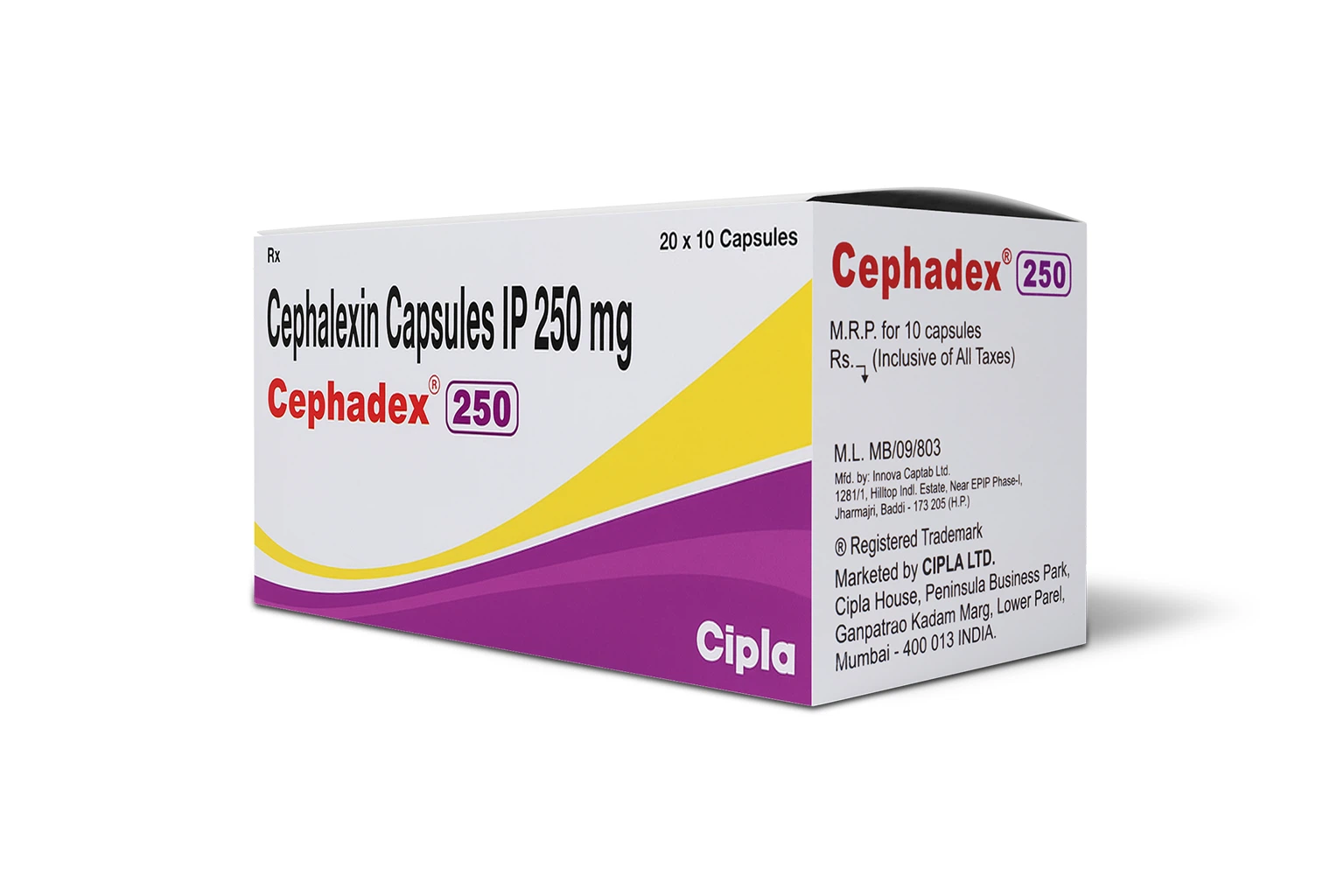
Cephadex 250 Mg
Price range: $50.00 through $290.00 -
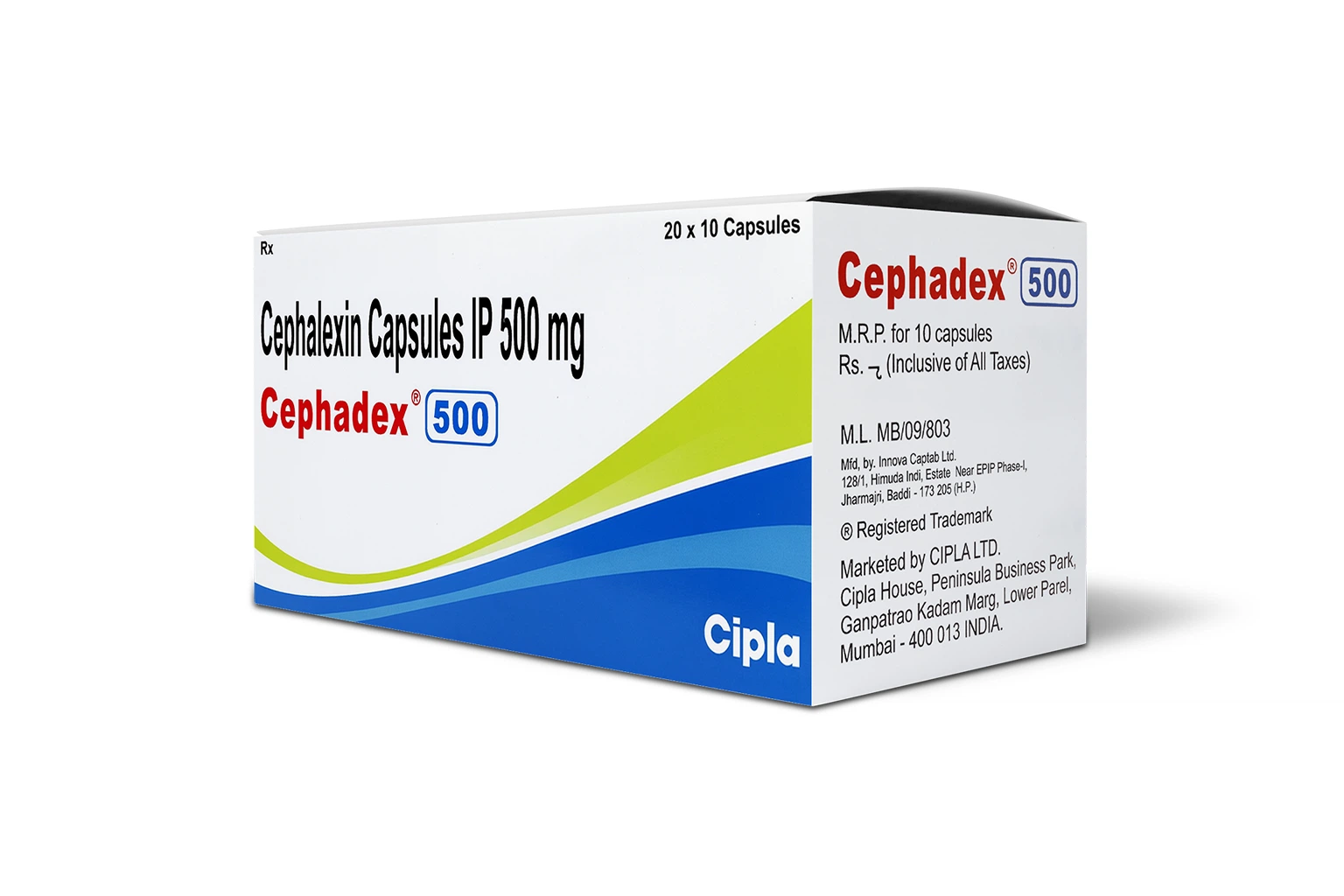
Cephadex 500 Mg
Price range: $50.00 through $290.00
Generations of Cephalosporins
- First Generation: Cephalexin, Cefazolin
- Second Generation: Cefaclor, Cefuroxime
- Third Generation: Ceftriaxone, Cefotaxime
- Fourth Generation: Cefepime
- Fifth Generation: Ceftaroline,
Cephalexin is a first-generation Cephalosporin.
Key Features
Chemical structure: Cephalosporin antibiotic
Drug Class: Cephalosporin antibiotic
Components: Cephalosporin antibiotic
Uses: Mostly in veterinary medicines for bacterial infections:
- Respiratory tract infections
- Skin and soft tissue infections
- Ear infections
- Urinary tract infections
- Bone Infection
Effective against: Gram-positive bacteria: Staphylococcus, Streptococcus Gram negative bacteria: E. coli, Klebsiella
How does Cephalexin work?
The mechanism of action of cephalexin includes the inhibition of bacterial cell wall synthesis, causing bacterial death. It binds to penicillin-binding proteins in the bacterial cell wall and inhibits the formation of the cell wall.
Usage
- Skin infections include cellulitis and impetigo.
- Respiratory tract infections include pneumonia and bronchitis.
- Urinary tract infections (UTIs)
- Otitis media, or ear infections
- Bone infections: osteomyelitis
Dosage
- Adults: 250-500 mg every 6-12 hours
- Children: 25-50 mg/kg/day in divided doses
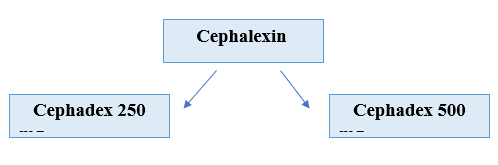
| Medication | Active ingredients | Dosage | Uses |
|---|---|---|---|
| Cephadex 250 mg | Cephalexin | 250 mg | Treat bacterial infection |
| Cephadex 500 mg | Cephalexin | 500 mg | Treat bacterial infection |
Side Effects
- Diarrhea
- Nausea and vomiting
- Abdominal pain
- Rash
- Allergic reactions (anaphylaxis)
- Clostridioides difficile-associated diarrhea (CDAD)
Interaction
- Probenecid (increases cephalexin levels).
- Antacids Decreases absorption.
- warfarin: increased risk of bleeding.
- Metformin: increases metformin levels.
- Aminoglycosides: Increased risk of nephrotoxicity.
Pharmacokinetics
- Absorption: Well absorbed orally.
- Distribution: Widely distributed in body tissues.
- Excretion: Primarily excreted unchanged in urine.
Clinical Trial
Cephalosporins are effective against a wide range of infections, including:
- Respiratory tract infections
- Urinary tract infections
- Skin and soft tissue infections
- Infections of bones and joints
Precautions
- Allergic reaction: Avoid if you are allergic to penicillinor other cephalosporins.
- Pregnancy and Breastfeeding: Consult your doctor prior using Cephalexin, it is generally considered safe during pregnancy and breastfeeding but should be used under medical supervision.
- Hepatic Disease: Dose adjustment is necessary. Inform your doctor prior if you have any kidney-related issues.
- Alcohol consumption: Although Cephalexin doesn’t interact directly with alcohol, but still it is advisable to avoid alcohol while on antibiotics to reduce the risk of side effects and ensure faster recovery.
Conclusion
Cephalexin is a reliable and widely used antibiotic of cephalosporin class. Its broad-spectrum antibacterial action make it a first-line treatment for various infections, including those affecting the skin, urinary tract, and respiratory system.