
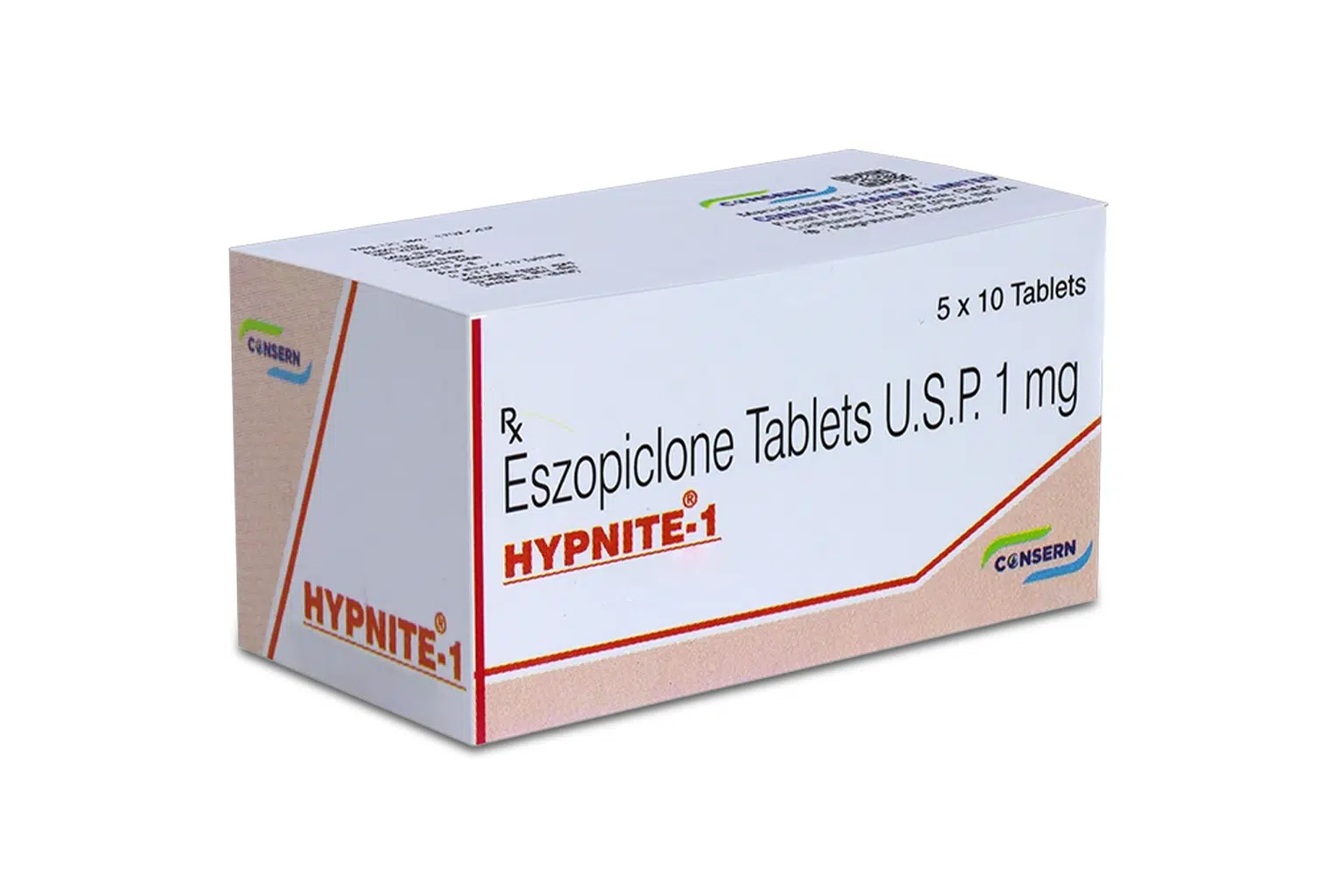
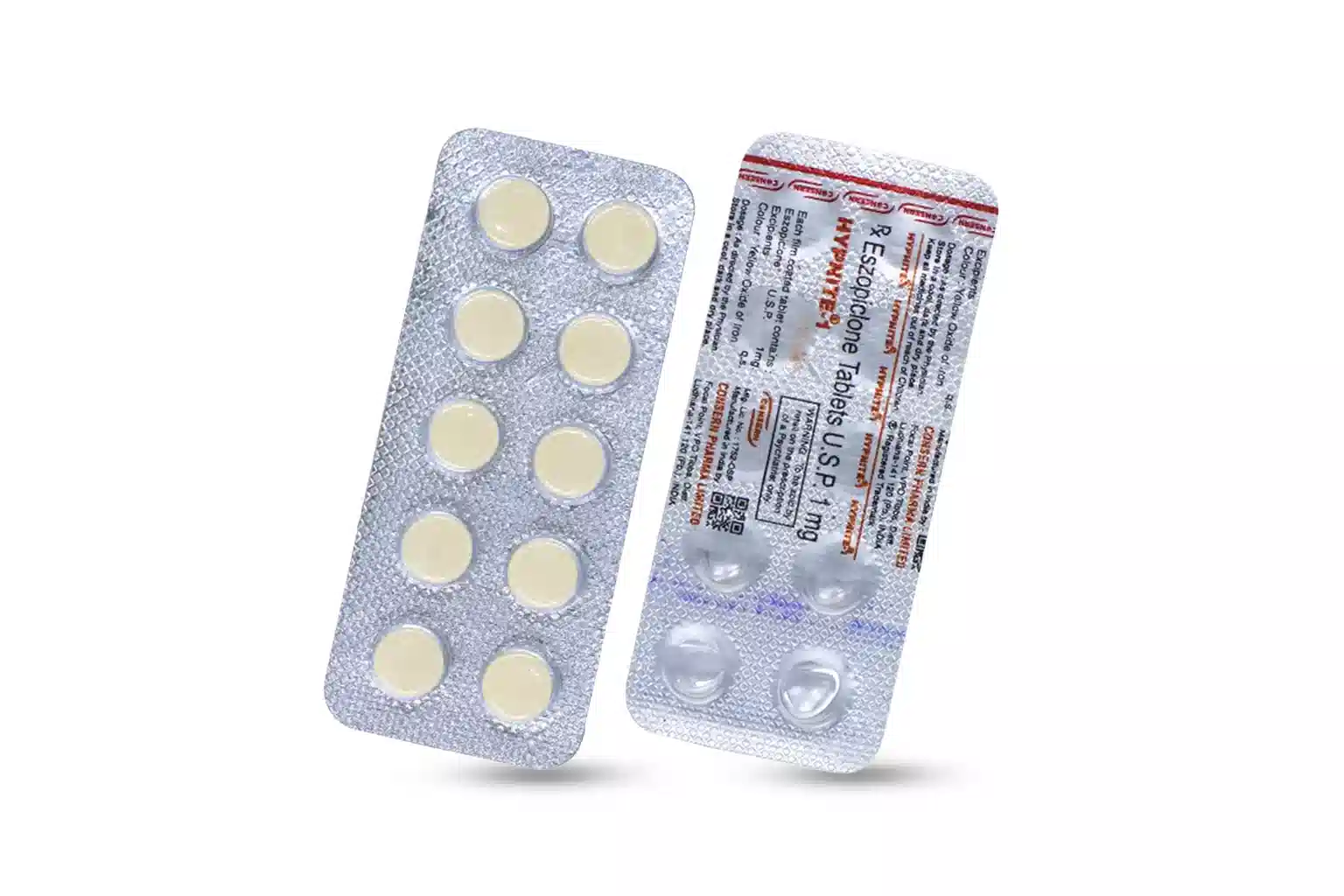
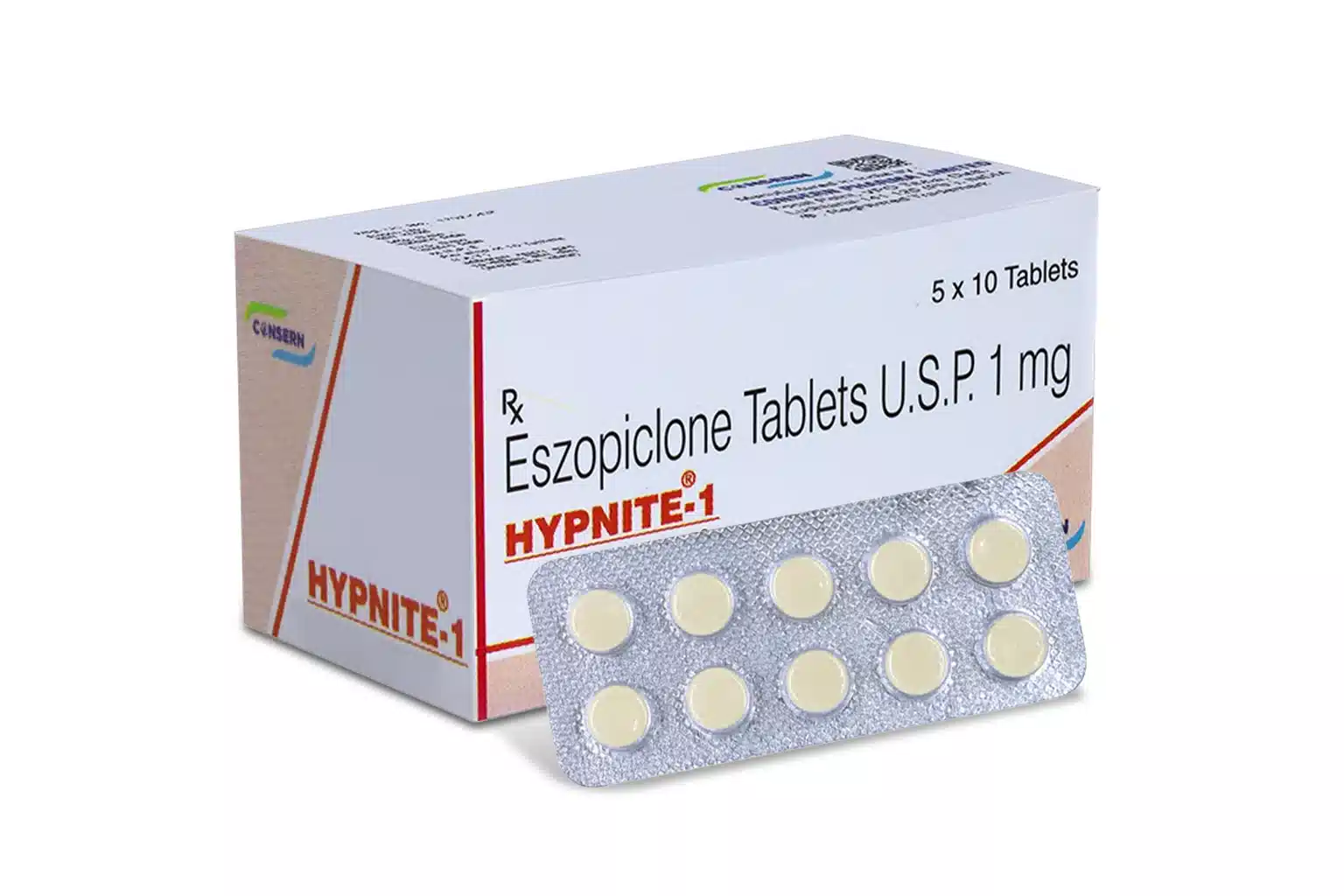
Hypnite 1 mg contains zopiclone a medicine used for the short-term management of insomnia. It belongs to the hypnotic and sedative group of medicines and is classified as a non-benzodiazepine cyclopyrrolone. Hypnite 1 mg is used when difficulty falling asleep, frequent nighttime waking or poor sleep quality is affecting daily functioning.
The tablet is intended to help induce sleep and reduce wakefulness during the night. It should be used only under medical supervision usually for the shortest suitable duration as continued use can lead to dependence in some people.
Key Features
| About (Hypnite 1 mg) |
| Drug Class: Hypnotic and Sedative |
| Subclass: Non-benzodiazepine (Cyclopyrrolone). |
|
Product Details
|
|
| Composition | Active ingredients:
Inactive ingredients:
|
| Packaging Type | Tablet |
| Pack Size | 10*5 |
| Dosage | 1 mg |
| Shelf Life | 36 months |
| Usages | Short-term treatment of insomnia |
How does Hypnite 1 mg work?
Zopiclone works by enhancing the action of gamma-aminobutyric acid or GABA, a naturally occurring chemical messenger in the brain. GABA helps slow excessive nerve activity and produces a calming effect.
By acting on GABA-related receptors Hypnite 1 mg can help reduce the time needed to fall asleep and may support uninterrupted sleep in people with short-term insomnia. Although it acts on similar brain pathways zopiclone is not a benzodiazepine medicine.
Usage
Hypnite 1 mg is commonly used for the short-term treatment of insomnia, particularly when sleep problems are severe, distressing or interfering with normal daytime activities. It may help with:
- Difficulty falling asleep
- Repeated waking during the night
- Waking earlier than intended
- Temporary sleep disturbance related to stress, travel, illness or changes in routine
Insomnia can also be linked to anxiety, depression, pain, breathing disorders, medicines or lifestyle habits. A healthcare professional may assess these underlying factors before recommending a sleeping medicine.
Dosage
Take Hypnite 1 mg exactly as recommended by your doctor. The dose and duration depend on age, medical history, liver or kidney function and the severity of insomnia.
It is generally taken once at bedtime, immediately before going to sleep. Take it only when you can remain in bed for a full night ideally around 7 to 8 hours. Taking zopiclone and then needing to drive, work or wake early can increase the risk of next-day drowsiness and impaired alertness.
Do not take an extra tablet if you miss a dose. Since this medicine is taken at bedtime, skip the missed dose and take the next one only at the usual time if needed. Avoid using Hypnite 1 mg for longer than advised and do not stop regular use suddenly without medical guidance.
Side effects
Like other sleep medicines, Hypnite 1 mg can cause side effects, although not everyone experiences them. A bitter or metallic taste in the mouth is one of the more commonly reported effects of zopiclone.
Possible side effects include:
- Drowsiness or tiredness the following day
- Dizziness or light-headedness
- Dry mouth
- Headache
- Reduced alertness, confusion, or memory difficulties
- Coordination problems, particularly in older adults
- Nausea or stomach discomfort
Seek medical advice promptly if you notice unusual behavioral changes, hallucinations, severe confusion, allergic reactions, breathing difficulty or sleep-related activities such as walking, eating or making phone calls while not fully awake. These reactions are uncommon but can be serious.
Interactions
Hypnite 1 mg can interact with medicines and substances that slow brain activity. Combining them may increase drowsiness, impaired coordination, breathing problems and the risk of falls.
Tell your pharmacist if you use:
- Alcohol
- Opioid pain medicines or cough suppressants
- Anti-anxiety medicines, benzodiazepines or other sleeping tablets
- Antipsychotic medicines
- Certain antidepressants
- Sedating antihistamines
- Medicines used for epilepsy
- Muscle relaxants
- Strong CYP3A4 inhibitors or inducers, including some antifungal medicines, antibiotics and seizure medicines
Alcohol should be avoided while taking Hypnite 1 mg. It can intensify sedation and may increase the chance of unusual sleep behaviors or slowed breathing.
Pharmacokinetics
After oral administration, zopiclone is absorbed relatively quickly, with sedative effects usually beginning soon after the tablet is taken. It is processed mainly by the liver and eliminated through urine and, to a lesser extent, feces.
Its average elimination half-life is approximately 5 hours, though this may be longer in older adults and in people with liver impairment. This is one reason doctors may use lower doses or recommend closer monitoring in these groups.
Precautions
Hypnite 1 mg is a prescription medicine and should be used carefully. Inform your doctor if you have a history of alcohol or drug dependence, depression, liver disease, kidney disease, breathing problems, sleep apnea or myasthenia gravis.
Avoid driving, operating machinery or doing tasks that require full attention until you know how the medicine affects you. Next-day impairment can occur even when a person feels awake.
Older adults may be more sensitive to zopiclone-related dizziness, confusion and falls. The use during pregnancy or breastfeeding should be considered only if the expected benefit justifies potential risks.
If you take zopiclone for a long time or in larger doses than prescribed, you may become tolerant to it, dependent on it and suffer withdrawal symptoms. It should not be shared with anyone else, even if they have similar sleep symptoms.
Conclusion
Hypnite 1 mg is a zopiclone-containing hypnotic tablet formulated for the short-term treatment of insomnia. It may help people fall asleep more easily and reduce nighttime awakenings when used appropriately under a doctor’s guidance. For safer use, take it only at bedtime avoid alcohol and other sedatives and follow the recommended duration and dose carefully.
FAQs
1. What is Hypnite 1 mg used for?
Hypnite 1 mg is a medicine used for the short-term treatment of insomnia which helps people to fall asleep faster and to wake up less during the night.
2. How quickly does Hypnite 1 mg work?
Zopiclone is generally absorbed quickly and is usually taken immediately before bedtime. The exact time you start may be different for each person.
3. Can I take Hypnite 1 mg every night?
Use only as directed by your doctor for the length of time and frequency prescribed. Tolerance, dependence and withdrawal symptoms may develop with long-term or regular use.
4. Can I drink alcohol while taking Hypnite 1 mg?
Not really. Alcohol can greatly increase drowsiness, dizziness, impaired coordination, unusual sleep behaviors and risks related to breathing.
5. Can Hypnite 1 mg cause next-day drowsiness?
Yes. Some people may feel sleepy, less alert or dizzy the following day. If these effects occur, do not drive or do other unsafe tasks.
Daniel Brooks –
Received the product in good condition with secure packaging. The ordering process was simple and convenient.