
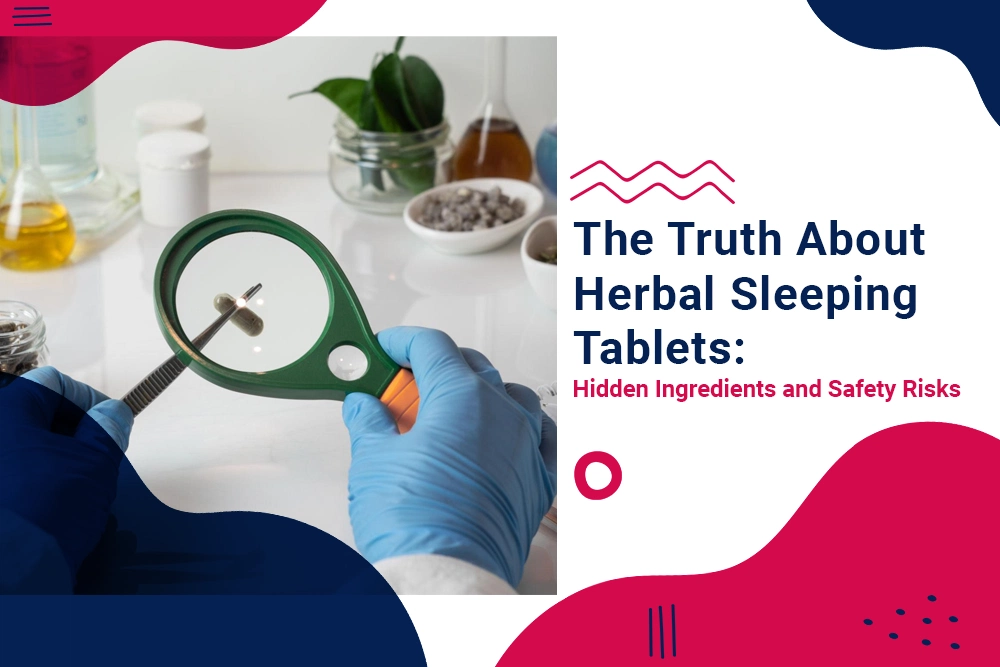
When you have not slept properly for a few nights, almost anything that promises “Deep sleep” starts sounding reasonable. A calming tablet. A natural blend. Something with a leaf on the box and words like gentle, non-habit forming or night support.
That is the part nobody really talks about enough. Herbal sleeping tablets can sound harmless before you even read the label. They are often placed somewhere between tea and medicine in people’s minds, which is probably why so many of us lower our guard.
But herbalism is not a safety guarantee. Not remotely.
Some products contain herbs that may cause side effects or interact with medicines. Others may be poorly made, inaccurately labelled or sold through online marketplaces with very little meaningful scrutiny.
A recent BBC report gave this issue a very real, uncomfortable edge: a woman who bought herbal sleep pills online discovered they were actually Zopiclone.
The word natural does a lot of work
People tend to hear natural and think safe. It is understandable. Natural medicine has a softer image than a prescription drug. It feels older, simpler, maybe less aggressive. But poison ivy is natural too. So is alcohol. So are plenty of compounds that can affect the liver, brain, heart rate, blood pressure, or breathing.
With Herbal sleeping tablets, the issue is not that every product is bad. Plenty of people use herbal remedies without major problems. The problem is that a product can look reassuring while still being a poor fit for you, especially if you take other medicines, drink alcohol in the evening, are pregnant, have liver problems or have sleep apnea.
A label may say valerian, chamomile, lavender, passionflower, magnesium, melatonin, or a blend of several things. That does not automatically tell you whether the dose is sensible, whether the ingredient is actually present in that amount, or whether it will mix badly with the rest of your routine.
And honestly, the more ingredients on the label, the harder it is to know what is doing what.
The BBC report should make people pause
A recent BBC article, How I discovered the truth about the ‘herbal’ sleeping pills I got hooked on, told the story of Fiona Cameron, who bought a sleep product online marketed as an herbal supplement. After using it for around a year, she discovered it was zopiclone and she experienced severe withdrawal symptoms when trying to stop.
That is not a small labelling mistake. It is a completely different category.
The report said the product had been removed from Amazon while the marketplace investigated, and the UK Medicines and Healthcare Products Regulatory Agency was looking into the matter. It is a reminder that sleeping pills bought online are not automatically safe just because the checkout page looks polished or the reviews sound convincing.
A listing can have hundreds of positive comments.
Some people will read this and think, “Well, it worked, didn’t it?” But a product working too well can sometimes create curiosity.
So, What is Zopiclone?
Zopiclone is a sedative-hypnotic medicine. In plain language, it slows certain activity in the brain so you can settle into sleep more easily.
It is not a cure for every kind of insomnia and it does not magically remove the thing causing sleeplessness. Stress, anxiety, pain, hormonal changes, shift work, depression, caffeine, alcohol, sleep apnea… sleep can get knocked around by a lot of things.
Still, when someone has been barely sleeping for several nights and daytime life is starting to fall apart, zopiclone can sometimes offer short-term relief. It is commonly prescribed for people who struggle to fall asleep, wake repeatedly in the night, or wake far earlier than they need to.
It is usually a short-term thing
This is probably the most important bit.
Zopiclone is normally used for a short period because the body can get used to it. Taking it too often or for too long can lead to tolerance, meaning the same dose may not feel as effective. Dependence can happen too, especially when it is used beyond the prescribed period.
That does not mean everyone who takes it becomes dependent. Not at all.
But it does mean it should be treated like a proper prescription medicine, not like a harmless bedtime supplement. If sleep problems keep coming back, it is worth looking at the cause rather than simply continuing with tablets.
How does it feel?
People experience zopiclone differently, but the basic aim is simple: take it just before bed, then give yourself enough time for a full night’s sleep.
It can help people drift off faster and reduce waking during the night. It is often described as working fairly quickly, though exact timing can vary from person to person. Food, age, other medicines and individual sensitivity can all change how strongly it affects someone.
One thing people often underestimate is next-day drowsiness. Even if you slept well, you may still feel slowed down, dizzy or not quite sharp the following morning.
So, if you have to drive early, operate machinery, make important decisions, or do something that needs full attention it is worth being extra careful.
Who needs extra care?
Zopiclone is not suitable for everybody.
A clinician will usually be cautious if someone has breathing problems, sleep apnea, serious liver disease, myasthenia gravis, a history of alcohol or drug dependence or certain mental-health concerns. It also may not be appropriate during pregnancy or breastfeeding without individual medical advice.
Older adults can be more sensitive to sedative medicines too. Drowsiness and poor coordination can increase the risk of falls, particularly when getting up in the night.
That sounds obvious, but it matters. A quick walk to the bathroom at 3 am can feel very different when you have taken a sleeping tablet.
Use it properly, not perfectly
If zopiclone has been prescribed for you, take it exactly as directed and only when you are ready to sleep.
Do not take an extra dose because you are still awake. Do not take it during the day to “catch up” on rest. And do not save old tablets to use randomly months later when sleep is bad again.
If you have taken it regularly for a while, do not stop suddenly without asking the prescriber what to do. Stopping abruptly after continued use can lead to rebound insomnia, restlessness, anxiety or mood changes in some people.
It is also sensible to make sure you have enough time in bed. Taking zopiclone and then staying up scrolling, watching television, or answering emails is not really the point. The medicine is meant for bedtime.
When to speak to a doctor
Speak with a doctor or pharmacist if sleep problems are affecting your work, mood, safety or daily life.
Also get advice if you snore loudly, wake gasping for air, fall asleep unintentionally during the day, feel severely low or anxious or find yourself relying on alcohol or sleep products most nights.
Zopiclone can be a helpful short-term treatment when it is prescribed appropriately. The safest approach is not to treat it as a shortcut, but as one part of a wider plan to get sleep back on track.
FAQs
1. What is zopiclone used for?
Zopiclone is a medicine used for short-term treatment of insomnia.
2. Should I buy sleep supplements from online marketplaces?
Buy only from reputable sellers and check the manufacturer, label, batch details and independent safety information. Listings online do not guarantee product quality.
3. What should I do if a sleep tablet causes strange side effects?Discontinue use and contact a health care professional or pharmacist promptly. If symptoms are severe seek emergency care.
4. Can I drink alcohol with zopiclone?
No. Alcohol may make you drowsy, and may increase the risk of serious side effects.
5. Can I take zopiclone every night?
Only take it exactly as prescribed. Regular long-term use can lead to tolerance or dependence.